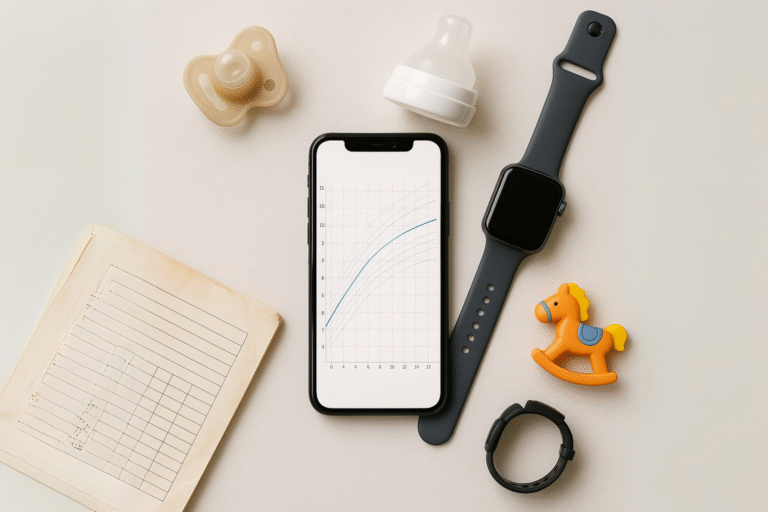
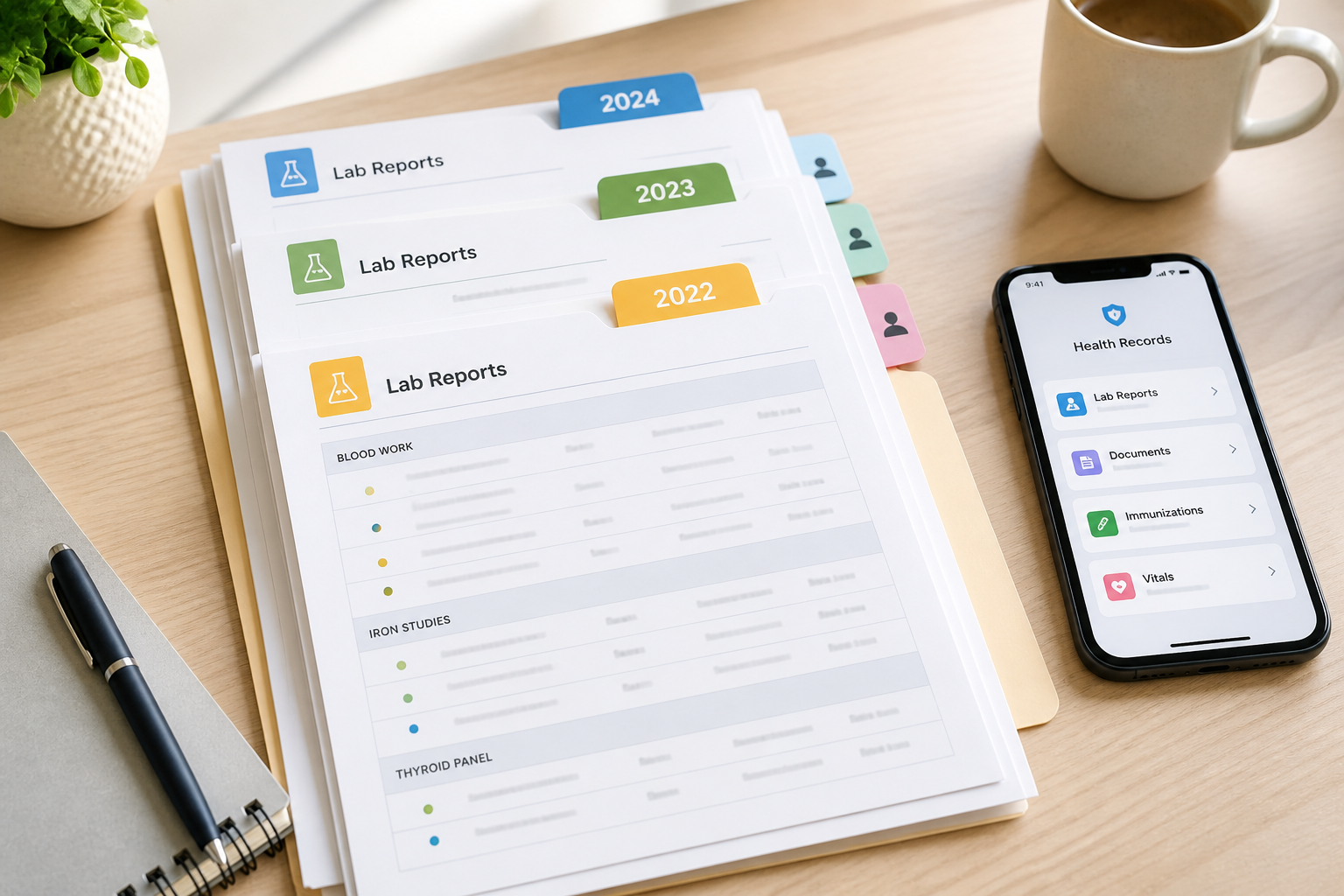
With increasingly busy routines, people get lab tests, read the lab results in a portal, and move on once nothing looks urgent. Then a year later after the next check-up, the pediatrician requests to see the previous test to compare the baseline values, but you can’t find it.
In an informal online survey of 348 people that helped shape EZM5, only 2 out of 10 respondents said they stored lab tests and monitored changes over time.
That is a problem because lab results can become more useful with time. A single result answers a question today. A saved history of complete reports may help a clinician understand whether something stayed stable or gradually changed over time.
Despite the valuable information, past laboratory results are often not used because they are not saved.
The Body Sends Signals
Health changes often do not appear overnight. High cholesterol and chronic kidney disease, for example, can take years to develop. The signals are already present in the blood. Lab tests offer a detailed view of how the body is functioning.
When doctors analyze the results of a single test, they only have a “snapshot” of your health at that moment. This may be enough to identify obvious problems, but small changes may go unnoticed.
But a laboratory exam report is only part of the full health picture.
The Difference Between One Result and a History
A history of lab reports can help show the condition at different points in time. An increase in HbA1c levels may not be a concern on a single test, but a history of results can reveal patterns and help clinicians identify whether diabetes may be developing, and whether follow-up is necessary.
It’s a simple but important habit: when receiving a new lab result, download it and store the complete file where you are sure to be able to find it easily when needed in the future. Portal access and retention rules vary, so it is safer to keep your own copy of the reports.
How a Medical History Can Improve Medical Care
Keeping your medical records organized can help healthcare professionals to have a comprehensive and detailed view of your health status over time. This can give clinicians better context when reviewing results and planning follow-up.
Organized records can make communication easier when care is spread across different clinics, portals, or countries. You don’t want to be searching around emails, portals, or paper folders when a physician wants to see your baseline cholesterol level for the past 3 years.
Modern Digital Tools for Tracking Lab Results
Digital systems like EZM5 help securely store and manage your family’s medical records. These tools make documents easier to access when needed, while keeping them organized by person and date.
In EZM5, you can keep records by person, create dated health events, and attach supporting files or photos. Then later you can seamlessly search through your files to find exactly what you need.
Save the Context Before You Need It
Tracking lab results over time is not about creating anxiety over every number. It is about preserving context before it disappears. A result that seems routine today may help answer a question years later, especially if it remains connected to the original report.
Using tools that make it easy to store your health data and track lab results over time is an essential step toward effective, preventive care. Start with a practical step: open EZM5 and save your most recent lab report to your health profile.
This can be the difference between detecting a condition early enough to treat it and letting it progress silently.
Frequently Asked Questions
Why should families track lab results over time?
Because complete past reports can give clinicians useful context later. A result that seemed routine once may help show whether something stayed stable or changed, but trends should be interpreted with the full report and the person’s medical situation.
Can I compare lab results myself?
You can organize them, and raise questions to your physician when in doubt. But only a clinician should decide whether results are comparable, and make the comparison by considering the full health context.
How does EZM5 help with family lab results?
EZM5 helps keep lab reports organized by person and date alongside other health events and documents. It does not interpret results, diagnose conditions, or replace your clinician’s advice.