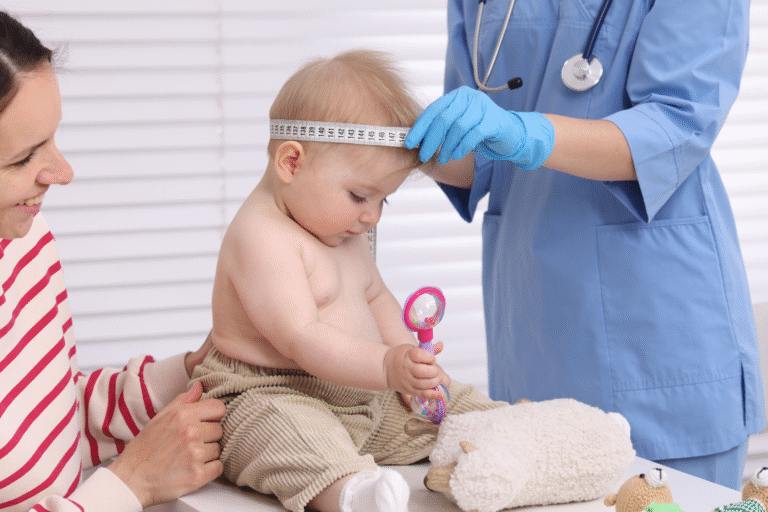

When your child gets a blood test, it feels like a one-time event — a quick check, a sigh of relief when results come back “normal,” and then life moves on. But every lab test captures a snapshot of your child’s biology, a data point in a much longer journey. To effectively manage your child’s health, it’s essential to track your child’s lab data over time.
Every Lab Test Is a Snapshot — But the Story Continues
By keeping an eye on these changes, you can better understand your child’s health trends and make informed decisions.
Most families never see what happens next. The paper report gets lost, or the file stays buried in an email folder. Yet, biomarkers — those measurable indicators in the blood that reflect how the body is functioning — change over time. A cholesterol result, a glucose reading, or an inflammation marker means one thing at age five, and something entirely different at age fifteen.
Tracking these results creates a living health timeline. It’s the difference between isolated dots and a connected picture — one that helps parents and doctors anticipate rather than react.
“Biomarker values measured in early childhood are significantly associated with those in adolescence, suggesting that early patterns can predict later health status.”
– Transition of clinical biomarker status from childhood into adolescence (PLOS ONE 2025)
The Lifecycle of a Biomarker: What Changes and Why It Matters
Biomarkers aren’t static. They evolve as your child grows, influenced by diet, sleep, hormones, and environment. What was once a sign of normal growth could later signal an emerging risk — or vice versa.
By tracking your child’s lab data, you’re not only preserving records — you’re creating insight. You’re giving future doctors context that can turn small deviations into early interventions. That’s the power of long-term health awareness — and the foundation of preventive care.
Curious how to put this into practice? Read the post “What Health Tracking Apps Forgot: Your Real Lab Data” to learn how to digitize, organize, and visualize your lab test results so they actually work for you.
How to Track Your Child’s Lab Data and Make It Meaningful
So how can parents actually track all this data?
The truth is: it’s hard to stay organized when results come from different clinics, hospitals, and formats. One report in PDF, another in an app, and the rest on paper. The result? Fragmented history and missed opportunities to see the bigger picture.
That’s exactly the gap digital health tools like Ezm5 are designed to fill. A digital health vault lets families securely store, organize, and revisit growth charts, lab results, and medical notes — all in one place, for life.
Once you centralize the data, patterns start to emerge:
- Growth measurements align with nutrition changes.
- Blood test values stabilize or fluctuate over time.
- Past results help make sense of current concerns.
By connecting these dots, you move from reaction to prevention — from uncertainty to clarity.
From Childhood to Adolescence: Building a Preventive Health Timeline
The real value of health data appears over time. Biomarkers that look ordinary at one stage may reveal risks when compared years later. Researchers are finding that early biological signals — even in seemingly healthy children — can shape later outcomes in heart health, metabolism, and immunity.
By keeping your child’s lab data safe and accessible, you give them a gift for their future: continuity. When that same child becomes a teenager or adult, they’ll be able to look back and see how their health evolved. It’s like handing them a personalized health map that helps doctors make faster, smarter decisions down the road.
And that’s exactly the mission of Ezm5 — to help families transform scattered information into lifelong insight. Because prevention starts with remembering what your data once said.
Your Questions, Answered
Why should I keep my child’s lab results for years?
Because trends matter more than single results. Seeing how biomarkers change helps detect risks early and supports preventive care throughout growth and adolescence.
How often should I update or track lab data?
Each time your child has a test — even routine ones. Upload results to your digital vault right away so you can visualize and compare over time.
What makes digital storage better than paper files?
Paper fades, apps change, and email attachments get lost. A secure digital vault like Ezm5 keeps everything organized, backed up, and accessible for life.